Gutters for House: Choosing the Right Ones for Your Home
Gutters are an essential part of your house's exterior, and choosing the right ones can be crucial to maintaining its integrity. The best gutters for your house depend on several factors, including the size of your roof, local weather conditions, and personal preferences.
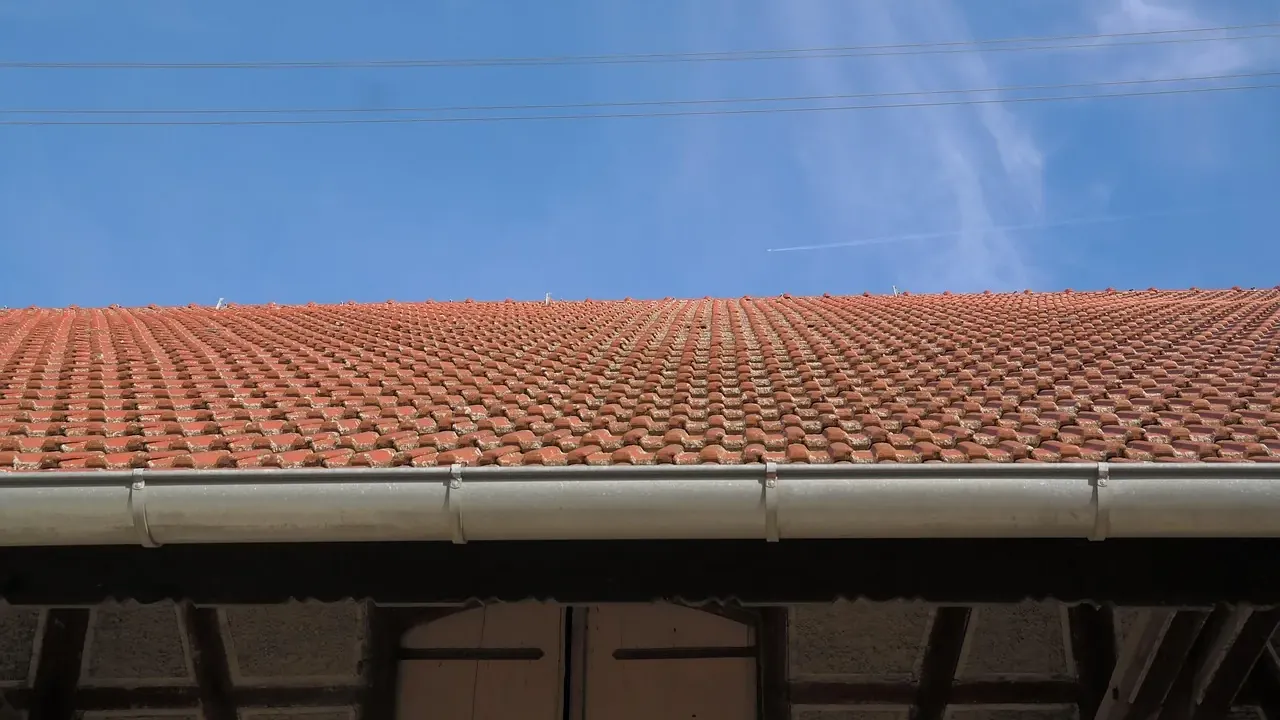
Quick Answer
When choosing gutters for your house, it's essential to consider a few key factors to ensure you get the right ones for your home.
Consider Your Home's Unique Needs
Before selecting gutters, think about your home's architecture, climate, and surroundings. For example, if you live in an area with heavy snowfall or strong winds, you'll want gutters that can withstand those conditions.
- Check local building codes: Ensure the gutters you choose comply with local regulations.
- Assess your roof size and shape: Larger roofs may require more extensive gutter systems.
- Consider your home's style: Certain styles, like modern or rustic, might benefit from specific gutter designs.
Choose the Right Gutter Material
The type of material used for your gutters will impact their durability, maintenance requirements, and overall performance. Some popular options include:
- Aluminum
- Vinyl
- Steel
- Copper (for a more premium option)
Prioritize Functionality and Maintenance
When selecting gutters, prioritize functionality and maintenance considerations. For instance, consider the ease of cleaning and the potential for clogs.
By considering these factors, you'll be well on your way to choosing the right gutters for your house.
Choosing the Right Material
When selecting gutters for your house, choosing the right material is crucial. You want a system that will withstand various weather conditions and last for a long time. Here are some of the most common materials used for gutters:
- Aluminum: Lightweight, corrosion-resistant, and affordable. Aluminum gutters are a popular choice, especially for modern homes.
+ Pros: Low maintenance, easy installation + Cons: May dent or scratch easily
- Vinyl: Inexpensive, durable, and low-maintenance. Vinyl gutters come in a range of colors and styles to match your home's exterior.
+ Pros: Resistant to corrosion, easy cleaning + Cons: May fade over time, prone to cracking
- Steel: Strong, durable, and resistant to rust. Steel gutters are often coated with a protective layer for added protection.
+ Pros: Long-lasting, can withstand heavy snowfall + Cons: More expensive than other options, may rust if not properly maintained
When choosing the right material for your gutters, consider factors like climate, budget, and personal preference. For example, if you live in an area with frequent extreme weather events, steel or aluminum gutters might be a better choice. On the other hand, vinyl gutters could be suitable for homes in milder climates.
Remember to also consider the cost of gutter cleaning and maintenance when selecting your material. For more information on what to expect regarding gutter cleaning costs, check out Gutter Cleaning Cost: What to Expect in 2026.
Installing Gutters: A Step-by-Step Guide
Before installing gutters on your house, it's essential to prepare yourself and your materials. Measure the length of your roofline to determine how many sections of gutter you'll need to purchase.
Measuring Your Roofline
Start by measuring the distance from one end of your roof to the other. This will give you an accurate measurement for your gutters. Make sure to take into account any obstructions, such as vents or skylights, that may affect the installation process.
- Use a tape measure and mark the measurements on a piece of paper.
- Calculate the total length of gutter needed based on the number of sections required.
- Double-check your calculations to ensure accuracy.
When cutting your gutters, use a miter saw or a hacksaw to make clean cuts. Apply silicone sealant to the cut edges to prevent leaks and ensure a watertight seal.
Securing Gutters
To secure your gutters in place, attach them to the roof's fascia board using gutter hangers and screws. Make sure the hangers are spaced evenly apart and tightened securely.
- Use a level to ensure the gutters are properly aligned.
- Check for any gaps or openings that may allow water to seep through.
- Tighten all screws and clips to prevent sagging or shifting during heavy rainfall.
Safety First: Ladder Safety Tips
When cleaning or installing gutters, ladder safety is crucial to avoid accidents and potential harm. It's essential to prioritize your safety by learning how to properly use ladders.
Proper Ladder Usage
Always maintain three points of contact with the ladder, whether it's two hands and one foot or two feet and one hand. Make sure the ladder is placed on firm, level ground, away from power lines and other hazards.
- Always inspect the ladder before use for any damage or wear.
- Ensure the ladder is securely positioned to prevent slipping or tipping.
- Never lean over the side of the ladder or overreach while cleaning gutters.
For added safety, consider investing in a stabilizing bar or ladder leveler. These can help prevent accidents and provide peace of mind when working at heights. Remember to always follow the manufacturer's instructions for proper use and maintenance.
If you're unsure about how to properly clean your gutters or feel uncomfortable using ladders, consider consulting our guide on How to Clean Gutters Safely: A Step-by-Step Guide or seeking professional assistance.
Mistakes to Avoid When Choosing Gutters
Ignoring Local Building Codes
Many homeowners overlook local building codes when choosing gutters for their house. This can lead to costly and time-consuming rework down the line. Make sure to check with your local government or a professional contractor to ensure compliance.
Neglecting Maintenance
Some homeowners underestimate the importance of gutter maintenance. However, neglecting cleaning and repair can cause damage to your home's foundation, walls, and roof. Plan for regular cleaning and inspections to avoid costly repairs.
Overlooking Hidden Costs
When choosing gutters, it's easy to overlook hidden costs such as:
- Installation fees
- Material costs (e.g., downspout extensions)
- Permits and inspections
- Potential repair or replacement needs in the future
When to Call a Pro: Knowing Your Limits
When it comes to installing or cleaning gutters on your house, it's essential to determine whether you should tackle the job yourself or hire a professional. Consider your level of comfort with heights and the complexity of the job before making a decision.
If you're not comfortable working at heights or don't have experience with gutter installation or cleaning, it's best to hire a professional. This is especially true if you have a multi-story house or one with complex rooflines that require specialized knowledge and equipment.
Height Considerations
- If you're afraid of heights or have a fear of falling, it's better to leave the job to someone else.
- If you're comfortable working at heights but not sure about your physical abilities, consider hiring a pro who has the necessary experience and training.
Job Complexity
- If you're dealing with a large or complex gutter system, it may be more challenging than you anticipated. Consider hiring a professional to ensure the job is done correctly.
- If you have multiple stories or a roofline that requires specialized equipment, it's best to hire someone who has experience working at heights.
If you do decide to tackle the job yourself, make sure to follow proper safety precautions and consider consulting our guide on How Often Should You Clean Your Gutters? for tips on maintaining your gutters effectively.
Key Takeaways
When choosing gutters for your house, remember these key takeaways:
Material Selection Matters
- Choose a durable and weather-resistant material that fits your climate and budget.
- Consider the color and style of your home when selecting gutter material.
Safety First: Installation Tips
- Ensure proper installation to prevent damage and ensure water flows freely.
- Install gutters at least 3 feet off the ground for safe access.
Maintenance is Key
- Clean gutters regularly to prevent clogs and damage.
- Check and repair damaged or sagging gutters promptly.
- Always follow safety guidelines when working with ladders and heights.
- Consider hiring a professional if you're unsure about installation or maintenance.
- Regularly inspect your gutters for signs of wear, rust, or damage.
Frequently asked questions
What are the best gutters for my house?
The best gutters for your house depend on several factors, including the size of your roof, local weather conditions, and personal preferences.
How do I choose the right gutter material for my home?
When selecting gutters, prioritize functionality and maintenance considerations. Choose a material that will withstand various weather conditions and last for a long time.
What are some common issues with gutters?
Common issues with gutters include clogs, sagging, and corrosion. Regular cleaning and maintenance can help prevent these problems.
How often should I clean my gutters?
The frequency of gutter cleaning depends on the size of your roof, local weather conditions, and surrounding trees or debris.
Can I install gutters myself?
While it's possible to install gutters yourself, it may be more challenging than you expect. Consider hiring a professional for a safe and effective installation.
What are the benefits of having proper gutters on my house?
Properly functioning gutters help protect your home from water damage, foundation issues, and erosion.