Gutter Overflowing at Corner? Causes and Easy Fixes
A gutter overflowing at a corner usually means a clog in the corner seam or nearby downspout, a leaking or misaligned mitered joint, or too much roof water racing into the corner valley. Most fixes are simple: clear debris, test the downspout, and add a splash guard. This guide shows you how to diagnose the cause and fix it safely.
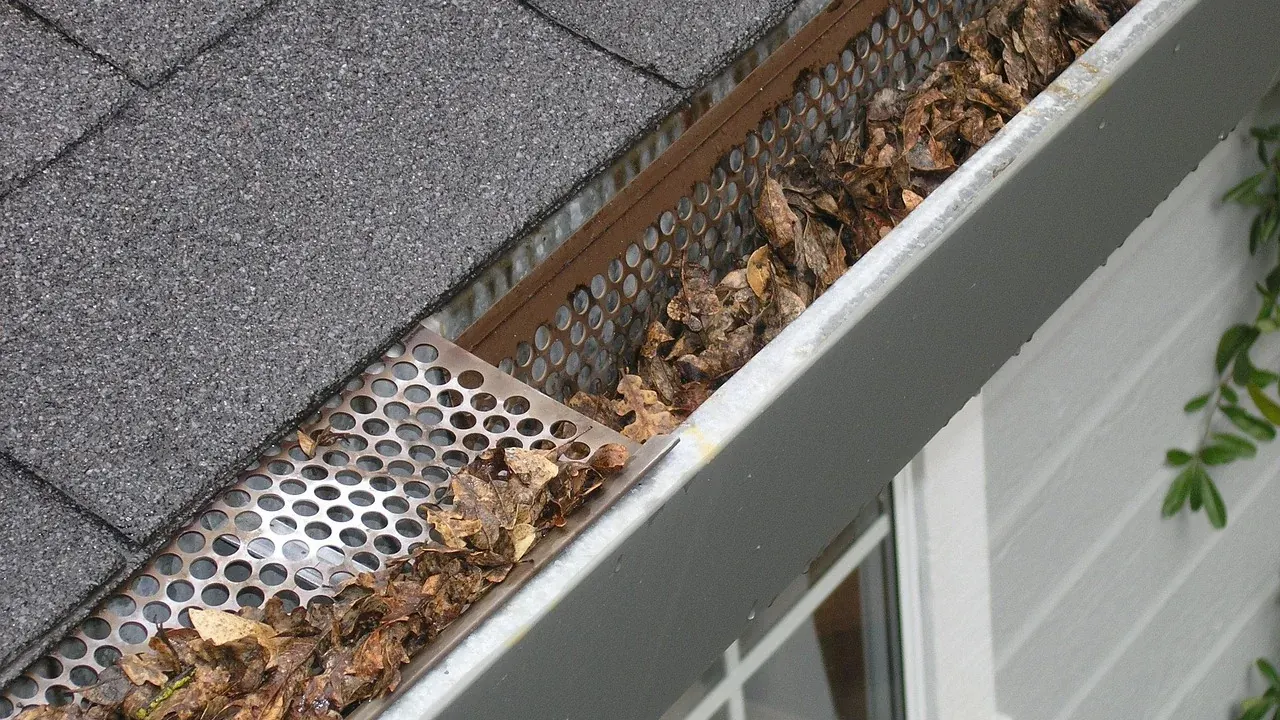
Quick answer
A gutter that overflows at the corner usually has a blockage or a design problem. Corners collect debris, and they also catch extra water from the roof. Match the cause you see to the fix below.
- Clogged corner: Leaves and grit pile up where two gutter runs meet. Scoop out the debris by hand, then flush the run with a garden hose.
- Blocked downspout: Water backs up when the outlet or elbow is packed. Clear it from the bottom with a hose or a plumber's snake.
- Poor slope: Water pools at the corner instead of draining toward the outlet. Adjust the hangers so the gutter pitches gently toward the downspout.
- Leaky miter joint: The seam at the corner can open over time and drip. Clean and dry the joint, then reseal it with gutter sealant.
- Valley water: A roof valley can send a fast stream that jumps the gutter lip. Fit a valley splash guard to slow and redirect the flow.
Always set up your ladder safely before you climb.
How to find the cause at the corner
Start on the ground during a steady rain. Stand back and watch where the water spills. Note whether it pours over the front edge, drips from the seam, or shoots past the gutter from the roof.
Next, wait for a dry day and run a garden hose into the gutter from a secured ladder. Have a helper on the ground steady the ladder and watch the corner. Let the water flow for a few minutes, then match what you see:
- Clog: Water backs up and spills over, and little reaches the downspout.
- Slope problem: Water pools at the corner even after you clear the debris.
- Joint leak: Water drips from the mitered seam or along its sealant line.
- Valley overshoot: The gutter handles hose water fine, but runoff from the roof valley jumps the lip in heavy rain.
If the hose test points to heavy buildup, weigh a DIY cleanout against a pro visit. Our guide to Gutter Cleaning Cost: What to Expect in 2026 explains what affects quotes.
Step-by-step fixes for corner overflow
Work from a stable ladder with a helper below. Start with the simplest fix, and test with a garden hose after each step.
Scoop leaves, roof grit and sludge out of the corner by hand. Then run water into the downspout from the top outlet. If it backs up, loosen the clog with a plumber's snake and flush again.
Water that pools at the corner often means the gutter has lost its pitch. Raise or lower the hangers so the run falls gently toward the outlet.
A dripping inside or outside miter seam needs fresh sealant. Scrub the joint clean, let it dry fully and apply gutter sealant along the seam.
Use this quick cause-and-fix match:
- Leaves or sludge in the trough: clear the corner by hand.
- Blocked outlet or elbow: flush and snake the downspout.
- Standing water: adjust the hangers to restore slope.
- Leaking joint: reseal the miter seam.
- Heavy valley runoff rushing past the gutter: add a valley splash guard at the corner.
Safety first before you climb
Corner overflow often means working at the highest, most awkward part of the roof line. Set up your ladder carefully before you touch the gutter. A few minutes of prep can help you avoid a serious fall.
Place the ladder on firm, level ground, and never on soft soil or loose gravel. Add a stabilizer, also called a standoff, so the ladder rests on the roof edge instead of the gutter. This keeps the ladder steady and protects the gutter from dents.
Follow these basic rules every time:
- Keep three points of contact, such as two feet and one hand.
- Move the ladder instead of overreaching, and keep your belt buckle between the rails.
- Ask a helper to steady the base and pass you tools.
- Skip wet, icy or windy days, when rungs and shingles get slippery.
- Stay well clear of overhead power lines, and use a fiberglass ladder near any wires.
For a full walkthrough, read How to Clean Gutters Safely: A Step-by-Step Guide.
Mistakes to avoid
Small errors at a gutter corner can turn a quick repair into a repeat job. Watch for these common slip-ups before and during your fix.
- Sealing over wet or dirty seams. Gutter sealant won't bond to damp metal, grit or old caulk. Scrub the miter joint, let it dry fully, then apply fresh sealant.
- Over-bending hangers. Forcing a bracket to change the pitch can kink the gutter or loosen the fascia screws. Adjust the slope a little at a time, and replace any hanger that looks bent or rusted.
- Ignoring the downspout. A clogged elbow or outlet backs water up to the corner. Flush the downspout with a garden hose and check that it drains freely.
- Relying on gutter guards alone at valley corners. Heavy roof valley runoff can shoot past guards and over the edge. A splash guard or diverter often works better there.
Test every repair with a hose before you put the ladder away. That way, you'll catch a leak while you can still reach it.
When to call a pro
Some corner overflow problems are safe to fix yourself, but others need a trained crew. Hire help if the job puts you high on a ladder or the damage goes beyond a simple clog.
Call a gutter pro or roofer when you see:
- A two-story home or a steep roof pitch that makes ladder work risky
- Rotted or soft fascia boards behind the corner
- Sagging gutter runs that pull away from the house
- Overflow that returns after you clean and adjust the corner
- Heavy roof runoff that may need larger gutters or extra downspouts
A pro can check the slope, the hangers and the corner miter seal. They can also judge whether your system can handle the water from your roof valleys.
Costs vary by home and region. Get 2-3 local quotes and compare what each one covers. To keep the corner flowing after repairs, read How Often Should You Clean Your Gutters? and set a regular schedule.
Key takeaways
A gutter that spills over at the corner usually points to one clear cause. It might be a clog, a weak seam, a poor slope or a downspout that can't keep up. Fix the cause, not just the symptom, and the overflow should stop.
- Put ladder safety first. Set the ladder on firm, level ground and keep three points of contact. Have a helper steady the base, and stay off wet or icy roofs.
- Diagnose before you fix. Watch the corner during a steady rain or run a garden hose along the trough. Look for debris, standing water, gaps in the miter joint or a sagging section.
- Check corners and downspouts each spring and fall. Clear leaves, twigs and roof grit from the inside corner and the outlet. Flush each downspout so water drains away from your foundation.
- Call a pro for heights or structural damage. Get help with second-story work, rotted fascia boards or loose hangers. Costs vary by home and region, so compare two or three local quotes.
Small, regular checks can help you avoid bigger repairs later.
Frequently asked questions
Why is my gutter overflowing at the corner?
Corners often trap leaves and grit where two gutter runs meet. They also catch fast water from roof valleys. A blocked downspout, poor slope or a leaky miter joint can also cause the spill, so test with a hose to find the cause.
How do I stop water from rushing over my gutter corner?
Fit a valley splash guard at the corner. It slows the fast stream from the roof valley and turns it back into the gutter. Clear any debris first, and set up your ladder safely before you climb.
Can a clogged downspout make the corner overflow?
Yes. When the outlet or elbow is packed, water backs up and spills over the nearest low point, often the corner. Flush the downspout from the bottom with a garden hose or a plumber's snake until water flows freely.
How do I fix a leaking gutter corner seam?
Clean the mitered joint and let it dry fully. Scrape off old, cracked sealant, then apply fresh gutter sealant along the seam. If the joint is bent or badly rusted, replace the corner piece instead.
What slope should a gutter have to drain properly?
A gutter needs a gentle, steady pitch toward the downspout so water does not pool. A common guideline is about a quarter inch of drop for every ten feet of gutter. Adjust the hangers if water still sits at the corner.
Should I call a pro for an overflowing gutter corner?
Call a pro if the gutter is high, the roof is steep or you feel unsteady on a ladder. Costs vary by home and region, so get two or three local quotes before you choose.