Gutter Installation: A Comprehensive Guide
Gutter installation refers to the process of installing gutters on your home to direct rainwater away from its foundation and prevent damage. The best area for gutter installation is around the perimeter of your roof, where it meets the exterior walls.
Quick Answer
Overview of Gutter Installation Process
Gutter installation involves several key steps to ensure a successful and safe installation process.
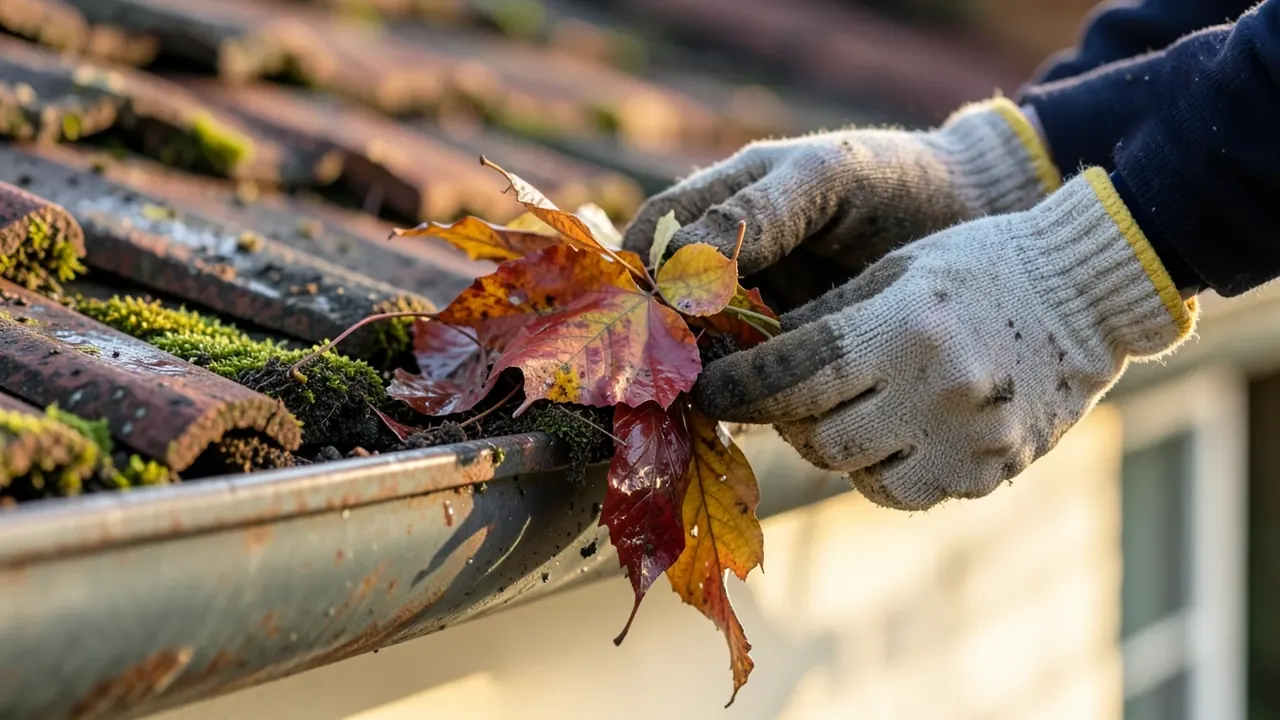
- Prepare Your Roof: Before installing gutters, make sure your roof is clear of debris, leaves, or any other obstructions.
- Measure and Mark Your Roof: Measure the length and shape of your roof to determine how many gutter sections you'll need. Mark the areas where the gutters will be installed.
Key Steps Involved
- Install downspout extensions (if necessary)
- Secure gutter brackets to the fascia board
- Attach gutter guard mesh (optional)
- Connect gutter sections together with end caps or screws
- Ensure proper slope and pitch for water flow
Choosing the Right Gutter Material
When it comes to choosing the right gutter material for your home, you have several options to consider. Each type of material has its own unique characteristics, advantages, and disadvantages.
Aluminum Gutters
Aluminum gutters are a popular choice among homeowners due to their durability and resistance to corrosion. They are also lightweight and easy to install. However, they may not be as effective in heavy rain or snow conditions.
- Pros: Lightweight, durable, resistant to corrosion
- Cons: May not perform well in heavy weather conditions
Vinyl Gutters
Vinyl gutters are another popular option for homeowners. They are low-maintenance, resistant to rust and corrosion, and come in a variety of colors. However, they may be more prone to cracking and damage from extreme temperatures.
- Pros: Low-maintenance, resistant to rust and corrosion, comes in various colors
- Cons: May be prone to cracking and damage from extreme temperatures
Steel Gutters
Steel gutters are known for their strength and durability. They can withstand heavy weather conditions and come with a long lifespan. However, they may require more maintenance than other materials and can be noisy during rainfall.
- Pros: Strong, durable, can withstand heavy weather
- Cons: May require more maintenance, can be noisy during rainfall
When choosing the right gutter material for your home, consider factors such as climate, budget, and personal preference. For example, if you live in an area with extreme weather conditions, steel gutters may be a better choice. If you're looking for low-maintenance options, vinyl or aluminum gutters might be more suitable.
Remember to check current prices Gutter Cleaning Cost: What to Expect in 2026 before making your final decision.
Measuring and Marking Your Roof
Before you start installing gutters, it's crucial to measure and mark your roof accurately. This step ensures that your gutters are properly sized and positioned for optimal performance.
Measure the Run of Your Roof
Start by measuring the length of your roof from one end to the other. Take note of any obstructions like vents, skylights, or chimney flues. You'll need this measurement to determine the correct gutter size and placement.
- Use a tape measure to record the total run of your roof.
- Make sure to account for any obstructions that may affect gutter installation.
Determine the Pitch of Your Roof
Next, assess the pitch (angle) of your roof. This will help you determine the correct gutter slope and ensure proper water flow. A higher pitch means a steeper angle, while a lower pitch indicates a shallower angle.
- Use a level or a roofing professional to estimate the pitch of your roof.
- Record the measurement in degrees or as a ratio (e.g., 4:12).
Mark Your Roof for Gutter Installation
Finally, mark your roof with chalk lines or tape to guide gutter installation. Start at one end and work your way along the roof, using your measurements and notes from earlier.
- Use a straightedge or a long level to draw a line along the roof's edge.
- Mark any obstructions or areas where gutters will need special attention (e.g., around vents or skylights).
Safety First: Essential Precautions
Before you start installing gutters, it's crucial to prioritize your safety and the safety of others around you. Wearing protective gear is a must, including gloves, safety glasses, and a hard hat.
Proper Ladder Techniques
When working with ladders, make sure to follow these guidelines:
- Always maintain three points of contact: two hands and one foot, or two feet and one hand.
- Ensure the ladder is on firm, level ground and securely positioned at the correct angle.
- Never lean over or stretch beyond your comfortable reach. Instead, move the ladder to a position where you can safely access the area.
Remember, safety should always be your top priority when working with heights. If you're not comfortable using ladders or feel unsure about any aspect of the process, consider consulting our guide on How to Clean Gutters Safely: A Step-by-Step Guide for additional guidance and precautions.
Mistakes to Avoid: Common Errors
Improper Measurement and Marking
Homeowners often overlook or misjudge the importance of accurate measurement and marking when installing gutters. This can lead to incorrect placement, poor water flow, and costly repairs down the line.
Incorrect Installation Height
Installing gutters too high or too low on your roof can cause issues with water flow, ice buildup in winter, and damage to your home's foundation. Make sure to measure and mark correctly to ensure proper installation height.
- Insufficient support: Failing to provide adequate support for gutters, such as insufficient hangers or sagging sections, can lead to sagging, rusting, and premature failure.
- Inadequate cleaning access: Installing gutters with narrow or obstructed access points can make cleaning difficult, leading to clogged gutters and water damage.
When to Call a Pro: Knowing Your Limits
As you prepare to install gutters on your home, it's essential to assess your capabilities and decide whether you're ready to tackle the job yourself or if it's better to hire a professional.
Consider Your Experience
If you have experience with DIY projects, especially those involving roofing or exterior renovations, you might feel confident in your ability to install gutters. However, if this is your first time working on a project like this, it's crucial to consider the potential risks and challenges involved.
- Check local building codes and regulations: Familiarize yourself with the specific requirements for gutter installation in your area.
- Assess your physical abilities: If you're not comfortable with heights or have mobility issues, it may be wise to hire a professional.
- Evaluate your time commitment: Installing gutters can take several hours or even days, depending on the size of your home and the complexity of the job.
If you're unsure about any aspect of the installation process, don't hesitate to seek guidance from a professional. Remember that improper gutter installation can lead to costly repairs down the line. For instance, How Often Should You Clean Your Gutters?
Key Takeaways: A Summary of the Process
Gutter Installation in a Nutshell
Before we wrap up this guide, let's recap the key steps to successful gutter installation:
- Measure and mark your roofline to determine the correct gutter length.
- Choose the right gutter material for your home and climate.
- Ensure proper slope and pitch for efficient water flow.
Safety Reminders
Remember to prioritize ladder safety throughout the process. This includes:
- Always maintain three points of contact with the ladder (two hands or two feet, one hand and one foot).
- Ensure the ladder is securely positioned on a firm, level surface.
- Never lean over the side of the ladder or reach beyond its capabilities.
Final Tips
To complete your gutter installation successfully:
- Install gutters in sections to prevent sagging and ensure proper alignment.
- Secure downspouts to the house using appropriate fasteners.
- Test your system by simulating rain flow to identify any potential issues.
Frequently asked questions
What are the benefits of installing gutters on my home?
Installing gutters helps direct rainwater away from your home's foundation, preventing damage and erosion. It also reduces the risk of water accumulation around windows, doors, and walls.
How do I choose the right gutter material for my home?
Consider factors like durability, maintenance requirements, and weather resistance when selecting a gutter material. Aluminum, vinyl, and steel are popular options, each with its own unique characteristics.
Can gutters be installed on a sloping roof?
Yes, gutters can be installed on a sloping roof, but it's essential to ensure the correct pitch and slope to allow for proper water flow. Consult a professional if you're unsure about your roof's specifications.
Can I install gutters myself, or do I need professional help?
While it's possible to install gutters yourself, it's recommended to hire a professional for complex installations or if you're unsure about the process. Professionals can ensure a safe and proper installation.
What are some common gutter installation mistakes to avoid?
Common mistakes include improper slope, inadequate support, and poor connection between gutter sections. Ensure you follow manufacturer instructions and consult professionals if needed for a successful installation